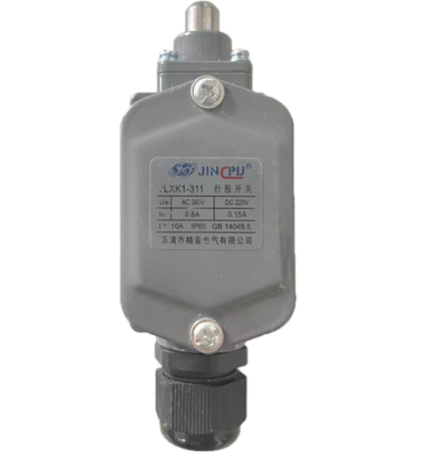
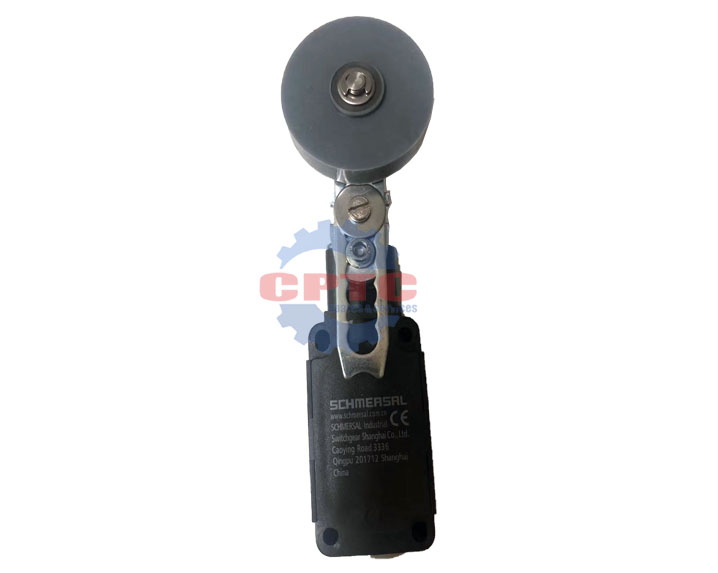
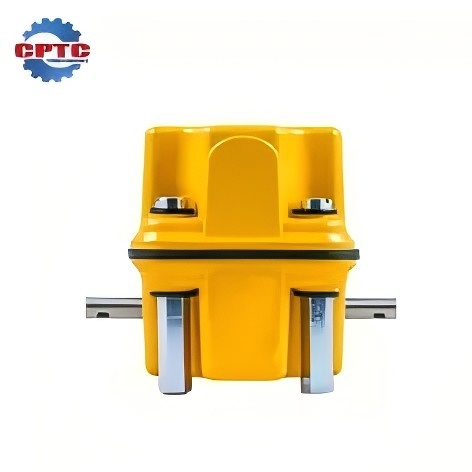
The top limit switch is the last line of defense against catastrophic lift failure. Bypassing it trades minutes of uptime for irreversible disaster. Protect your crew, equipment, and compliance by keeping this safety feature fully functional at all times.
Why teams bypass it
- Speed over safety: Faulty or tripped switches delay lifts; crews short wires to keep moving.
- Misdiagnosis: Operators blame the switch rather than addressing load, alignment, or control issues.
- Complacency: Frequent triggering leads teams to disable it “temporarily” and forget to restore.
The lethal risks of bypass
- Catastrophic collision: Hoists, cranes, and elevators slam into overhead structures, shearing cables.
- Falling loads: Uncontrolled upward travel triggers sudden collapse or structural failure.
- Total equipment loss: Over-travel destroys gears, drums, and structural frames.
- Fatalities: Workers in lift paths or on platforms face crushing hazards or the risk of falling.
- Liability & violations: Bypassing violates OSHA and local codes, invalidating insurance and warranties.
Safer fixes that prevent bypass
- Inspect top limit switches before every shift.
- Troubleshoot triggers at the source: repair sensors, align guides, reduce overloading.
- Use lockout-tagout (LOTO) for repairs; never leave switches shorted.
- Train teams that “temporary bypass” is a fatal shortcut.